• US-Chile Free Trade Agreement: Trade Benefits & Market Access

    US-Chile Free Trade Agreement boosts bilateral trade by lowering tariffs and expanding market access. It helps US exporters and Chilean suppliers trade efficiently while supporting long-term economic growth.

    https://www.usimportdata.com/blogs/us-chile-free-trade-agreement-bilateral-trade-2025

    #USExportstoChile #USimportsfromChile #USChilefta
    US-Chile Free Trade Agreement: Trade Benefits & Market Access US-Chile Free Trade Agreement boosts bilateral trade by lowering tariffs and expanding market access. It helps US exporters and Chilean suppliers trade efficiently while supporting long-term economic growth. https://www.usimportdata.com/blogs/us-chile-free-trade-agreement-bilateral-trade-2025 #USExportstoChile #USimportsfromChile #USChilefta
    WWW.USIMPORTDATA.COM
    Top US Exports to Chile: Exploring the US-Chile Free Trade Agreement & Trade Insights 2025
    Explore the US–Chile Free Trade Agreement with insights into US exports to Chile, bilateral trade data, & key products traded between both countries.
    0 التعليقات 0 المشاركات 8 مشاهدة 0 معاينة
  • Unlocking Growth Opportunities: Asia-Pacific Rooftop Solar Industry Market Insights


    The Asia-Pacific Rooftop Solar Industry is experiencing a profound transformation, driven by escalating energy demands, a growing environmental consciousness, and supportive government policies aimed at fostering renewable energy adoption. This dynamic market is poised for significant expansion as more businesses and households embrace the economic and ecological benefits of solar power. For an in-depth analysis of this burgeoning sector, explore the comprehensive Asia-Pacific Rooftop Solar Industry.

    Get a Free Sample Report + All Related Graphs & Charts:https://www.marketreportanalytics.com/report/asia-pacific-rooftop-solar-industry-100724/sample-report


    Market Overview and Dynamics
    The Asia-Pacific Rooftop Solar Industry is currently valued at approximately $18.5 billion in 2023 and is projected to reach an estimated $45 billion by 2032, exhibiting a robust Compound Annual Growth Rate (CAGR) exceeding 16.00%. This remarkable growth is fueled by several key drivers, including decreasing solar panel costs, increasing electricity prices in several key nations, and a strong push towards decarbonization. The rising awareness of climate change and the subsequent demand for sustainable energy solutions further bolster market expansion. Government incentives, such as tax credits and feed-in tariffs, are also playing a pivotal role in encouraging investments in rooftop solar installations across the region. However, challenges such as grid integration complexities, policy inconsistencies in some emerging markets, and land acquisition issues for larger installations can pose hurdles to sustained growth.

    Segmentation Analysis

    Segment Type Sub-Segment Example Forecast CAGR (2024–2032)
    End-Users Residential > 17.00%
    End-Users Commercial and Industrial > 15.50%


    Competitive Landscape and Key Players
    The competitive landscape of the Asia-Pacific Rooftop Solar Industry is characterized by a dynamic interplay of established global manufacturers and agile regional players. Innovation in solar technology, cost-effectiveness, and efficient supply chain management are key differentiators. The market features a mix of established industry leaders and innovative emerging players, all vying for market share through product development, strategic partnerships, and expanding distribution networks. Prominent companies shaping this market include JA Solar Holdings Co Ltd, JinkoSolar Holding Co Ltd, Suntech Power Holdings Co Ltd, Yingli Green Energy Holding Co Ltd, Canadian Solar Inc, Huawei Technologies Co Ltd, Sungrow Power Supply Co Ltd, Trina Solar Limited, and Hanwha SolarOne Co Ltd, among others.


    Regional Outlook
    The report provides an in-depth geographical analysis of the Asia-Pacific Rooftop Solar Industry, covering key markets such as China, Japan, South Korea, India, Australia, New Zealand, Indonesia, Malaysia, Singapore, Thailand, Vietnam, and the Philippines. China and India, with their vast populations and ambitious renewable energy targets, are anticipated to be the largest contributors to market growth. Japan and South Korea continue to be strong adopters due to their technological advancements and strong policy support. Australia's abundant sunshine and supportive regulatory framework also make it a significant market. The burgeoning economies of Southeast Asian nations like Vietnam and the Philippines present substantial untapped potential for rooftop solar installations.

    Explore the full report for deeper insights:https://www.marketreportanalytics.com/reports/asia-pacific-rooftop-solar-industry-100724


    Table of Contents (TOC)
    • Executive Summary
    • Introduction
    • Market Dynamics
    • Drivers
    • Restraints
    • Opportunities
    • Challenges
    • Segmentation Analysis
    • By End-User
    • Competitive Landscape
    • Key Players
    • Strategies
    • Regional Analysis
    • China
    • Japan
    • South Korea
    • India
    • Australia
    • New Zealand
    • Indonesia
    • Malaysia
    • Singapore
    • Thailand
    • Vietnam
    • Philippines
    • Research Methodology
    • Conclusion


    For complete insights, forecasts, and data tables, visit the full report:https://www.marketreportanalytics.com/reports/asia-pacific-rooftop-solar-industry-100724


    Contact US:
    Craig Francis (PR & Marketing Manager)
    Data Insights Market
    Ansec House, 3rd Floor, Tank Road
    Yerwada, Pune
    Phone: +1 231-515-5523
    Email: sales@marketreportanalytics.com
    Unlocking Growth Opportunities: Asia-Pacific Rooftop Solar Industry Market Insights The Asia-Pacific Rooftop Solar Industry is experiencing a profound transformation, driven by escalating energy demands, a growing environmental consciousness, and supportive government policies aimed at fostering renewable energy adoption. This dynamic market is poised for significant expansion as more businesses and households embrace the economic and ecological benefits of solar power. For an in-depth analysis of this burgeoning sector, explore the comprehensive Asia-Pacific Rooftop Solar Industry. 📊 Get a Free Sample Report + All Related Graphs & Charts:https://www.marketreportanalytics.com/report/asia-pacific-rooftop-solar-industry-100724/sample-report Market Overview and Dynamics The Asia-Pacific Rooftop Solar Industry is currently valued at approximately $18.5 billion in 2023 and is projected to reach an estimated $45 billion by 2032, exhibiting a robust Compound Annual Growth Rate (CAGR) exceeding 16.00%. This remarkable growth is fueled by several key drivers, including decreasing solar panel costs, increasing electricity prices in several key nations, and a strong push towards decarbonization. The rising awareness of climate change and the subsequent demand for sustainable energy solutions further bolster market expansion. Government incentives, such as tax credits and feed-in tariffs, are also playing a pivotal role in encouraging investments in rooftop solar installations across the region. However, challenges such as grid integration complexities, policy inconsistencies in some emerging markets, and land acquisition issues for larger installations can pose hurdles to sustained growth. Segmentation Analysis Segment Type Sub-Segment Example Forecast CAGR (2024–2032) End-Users Residential > 17.00% End-Users Commercial and Industrial > 15.50% Competitive Landscape and Key Players The competitive landscape of the Asia-Pacific Rooftop Solar Industry is characterized by a dynamic interplay of established global manufacturers and agile regional players. Innovation in solar technology, cost-effectiveness, and efficient supply chain management are key differentiators. The market features a mix of established industry leaders and innovative emerging players, all vying for market share through product development, strategic partnerships, and expanding distribution networks. Prominent companies shaping this market include JA Solar Holdings Co Ltd, JinkoSolar Holding Co Ltd, Suntech Power Holdings Co Ltd, Yingli Green Energy Holding Co Ltd, Canadian Solar Inc, Huawei Technologies Co Ltd, Sungrow Power Supply Co Ltd, Trina Solar Limited, and Hanwha SolarOne Co Ltd, among others. Regional Outlook The report provides an in-depth geographical analysis of the Asia-Pacific Rooftop Solar Industry, covering key markets such as China, Japan, South Korea, India, Australia, New Zealand, Indonesia, Malaysia, Singapore, Thailand, Vietnam, and the Philippines. China and India, with their vast populations and ambitious renewable energy targets, are anticipated to be the largest contributors to market growth. Japan and South Korea continue to be strong adopters due to their technological advancements and strong policy support. Australia's abundant sunshine and supportive regulatory framework also make it a significant market. The burgeoning economies of Southeast Asian nations like Vietnam and the Philippines present substantial untapped potential for rooftop solar installations. 📊 Explore the full report for deeper insights:https://www.marketreportanalytics.com/reports/asia-pacific-rooftop-solar-industry-100724 Table of Contents (TOC) • Executive Summary • Introduction • Market Dynamics • Drivers • Restraints • Opportunities • Challenges • Segmentation Analysis • By End-User • Competitive Landscape • Key Players • Strategies • Regional Analysis • China • Japan • South Korea • India • Australia • New Zealand • Indonesia • Malaysia • Singapore • Thailand • Vietnam • Philippines • Research Methodology • Conclusion 📊 For complete insights, forecasts, and data tables, visit the full report:https://www.marketreportanalytics.com/reports/asia-pacific-rooftop-solar-industry-100724 Contact US: Craig Francis (PR & Marketing Manager) Data Insights Market Ansec House, 3rd Floor, Tank Road Yerwada, Pune 📞 Phone: +1 231-515-5523 📧 Email: sales@marketreportanalytics.com

    0 التعليقات 0 المشاركات 10 مشاهدة 0 معاينة
  • Unlocking the Potential: A Comprehensive Analysis of the Hungary Geothermal Energy Market


    This in-depth market research report delves into the dynamic landscape of the Hungary Geothermal Energy Market, exploring its significant growth trajectory and untapped opportunities. As a vital component of sustainable energy solutions, geothermal energy in Hungary is poised for substantial expansion driven by supportive government policies and increasing demand for clean power.
    Get a Free Sample Report + All Related Graphs & Charts:https://www.datainsightsmarket.com/report/hungary-geothermal-energy-market-3683/sample-report


    Market Overview and Dynamics
    The Hungary Geothermal Energy Market is currently experiencing robust growth, with an estimated current market size of approximately $500 Million and projected to reach around $1.2 Billion by 2032. The market is set to witness a Compound Annual Growth Rate (CAGR) of over 10.00% during the forecast period. This expansion is fueled by a confluence of factors, including Hungary's abundant geothermal resources, increasing environmental consciousness, and a strong push from the government to diversify its energy portfolio and reduce reliance on fossil fuels. Key drivers include attractive feed-in tariffs and tax incentives for renewable energy projects, coupled with technological advancements that enhance the efficiency and economic viability of geothermal power generation and direct heat utilization. However, challenges such as high upfront investment costs for exploration and infrastructure development, and the need for skilled labor, could temper rapid growth. Emerging trends indicate a growing interest in hybrid geothermal systems and the integration of geothermal energy into smart grids for optimized energy management.


    Segmentation Analysis
    Segment Type Sub-Segment Example Forecast CAGR (2024–2032)
    Application Power Generation Approximately 11.5%
    Application District Heat Utilization Approximately 9.8%


    Competitive Landscape and Key Players
    The competitive environment within the Hungary Geothermal Energy Market is characterized by a dynamic interplay between established industry leaders and innovative emerging players. These companies are actively engaged in research and development, strategic partnerships, and mergers and acquisitions to expand their market presence and enhance their technological capabilities. The report meticulously analyzes the strategies and offerings of key stakeholders, including Porcio Co Ltd, Enel SpA, Mannvit, Climeon AB, PannErgy PLC, KS Orka Renewables Pte Ltd, and Engie SA, providing valuable insights into their contributions and future outlook.


    Regional Outlook
    This comprehensive report focuses on the Hungary region, offering an in-depth analysis of its geothermal energy market. Hungary's strategic geographical location and its rich geological potential make it a focal point for geothermal energy development in Central Europe. The report provides granular insights into the specific market dynamics, policy frameworks, and investment opportunities within the country, highlighting its pivotal role in the broader European renewable energy landscape.

    Unlocking the Potential: A Comprehensive Analysis of the Hungary Geothermal Energy Market This in-depth market research report delves into the dynamic landscape of the Hungary Geothermal Energy Market, exploring its significant growth trajectory and untapped opportunities. As a vital component of sustainable energy solutions, geothermal energy in Hungary is poised for substantial expansion driven by supportive government policies and increasing demand for clean power. 📊 Get a Free Sample Report + All Related Graphs & Charts:https://www.datainsightsmarket.com/report/hungary-geothermal-energy-market-3683/sample-report Market Overview and Dynamics The Hungary Geothermal Energy Market is currently experiencing robust growth, with an estimated current market size of approximately $500 Million and projected to reach around $1.2 Billion by 2032. The market is set to witness a Compound Annual Growth Rate (CAGR) of over 10.00% during the forecast period. This expansion is fueled by a confluence of factors, including Hungary's abundant geothermal resources, increasing environmental consciousness, and a strong push from the government to diversify its energy portfolio and reduce reliance on fossil fuels. Key drivers include attractive feed-in tariffs and tax incentives for renewable energy projects, coupled with technological advancements that enhance the efficiency and economic viability of geothermal power generation and direct heat utilization. However, challenges such as high upfront investment costs for exploration and infrastructure development, and the need for skilled labor, could temper rapid growth. Emerging trends indicate a growing interest in hybrid geothermal systems and the integration of geothermal energy into smart grids for optimized energy management. Segmentation Analysis Segment Type Sub-Segment Example Forecast CAGR (2024–2032) Application Power Generation Approximately 11.5% Application District Heat Utilization Approximately 9.8% Competitive Landscape and Key Players The competitive environment within the Hungary Geothermal Energy Market is characterized by a dynamic interplay between established industry leaders and innovative emerging players. These companies are actively engaged in research and development, strategic partnerships, and mergers and acquisitions to expand their market presence and enhance their technological capabilities. The report meticulously analyzes the strategies and offerings of key stakeholders, including Porcio Co Ltd, Enel SpA, Mannvit, Climeon AB, PannErgy PLC, KS Orka Renewables Pte Ltd, and Engie SA, providing valuable insights into their contributions and future outlook. Regional Outlook This comprehensive report focuses on the Hungary region, offering an in-depth analysis of its geothermal energy market. Hungary's strategic geographical location and its rich geological potential make it a focal point for geothermal energy development in Central Europe. The report provides granular insights into the specific market dynamics, policy frameworks, and investment opportunities within the country, highlighting its pivotal role in the broader European renewable energy landscape.
    0 التعليقات 0 المشاركات 5 مشاهدة 0 معاينة
  • Mexico New Tariffs on India Impact Indian Traders


    Mexico’s new tariffs on Indian exports impact traders across auto, textile, steel, and chemical sectors. Learn reasons, effects, and what exporters should do next.
    https://moneycages.com/finance/mexico-new-tariffs-on-india/
    Mexico New Tariffs on India Impact Indian Traders Mexico’s new tariffs on Indian exports impact traders across auto, textile, steel, and chemical sectors. Learn reasons, effects, and what exporters should do next. https://moneycages.com/finance/mexico-new-tariffs-on-india/
    0 التعليقات 0 المشاركات 11 مشاهدة 0 معاينة
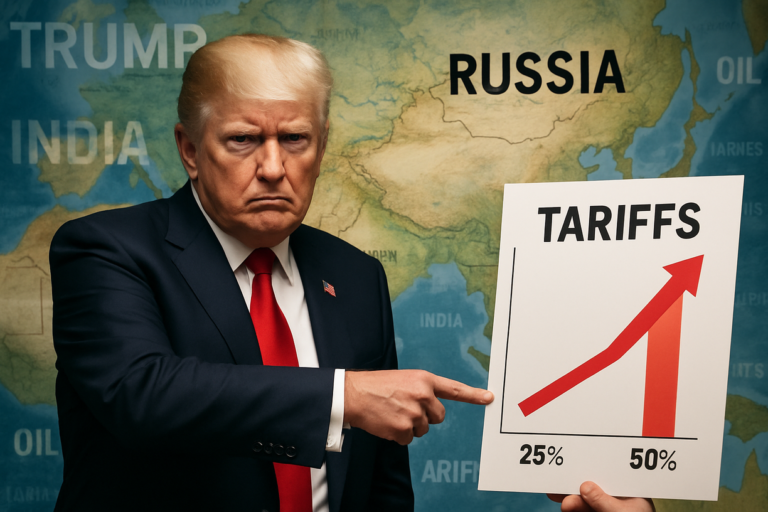
  • Trump Hits India with 50% Tariff
    Citing India's oil trade with Russia, President Trump has doubled tariffs on Indian goods to 50%! The move could cost India billions and strain ties. Key exports like gems, textiles, and chemicals are at risk — while pharma & electronics remain exempt.

    Get More Info: - https://marketsresearchs.com/trumps-tariff-bomb-us-doubles-duty-on-india/

    #Trump #India #Tariffs #USIndia #TradeWar
    🚨 Trump Hits India with 50% Tariff 🇺🇸🇮🇳 Citing India's oil trade with Russia, President Trump has doubled tariffs on Indian goods to 50%! The move could cost India billions and strain ties. Key exports like gems, textiles, and chemicals are at risk — while pharma & electronics remain exempt. Get More Info: - https://marketsresearchs.com/trumps-tariff-bomb-us-doubles-duty-on-india/ #Trump #India #Tariffs #USIndia #TradeWar
    MARKETSRESEARCHS.COM
    Trump’s Tariff Bomb US Doubles Duty on India to 50%
    US President Trump imposes a 50% tariff on Indian goods over Russian oil purchases. India's MEA calls the move "unjustified."
    0 التعليقات 0 المشاركات 477 مشاهدة 0 معاينة
  • South Korea Active Pharmaceutical Ingredients Market Trends and Insights

    The South Korea Active Pharmaceutical Ingredients Market is witnessing accelerated business growth driven by domestic demand for high-purity APIs and expanding biosimilar pipelines. Robust government incentives and evolving market dynamics are steering strategic expansions, positioning South Korea as a pivotal API hub in Asia.

    Market Size and Overview

    The South Korea Active Pharmaceutical Ingredients Market is estimated to be valued at USD 6.42 Bn in 2025 and is expected to reach USD 9.22 Bn by 2032, growing at a CAGR of 5.3% from 2025 to 2032.
    This surge reflects strong market drivers such as rising chronic-disease prevalence and increasing outsourcing of contract manufacturing. Market analysis of industry size underscores opportunities in niche segments like oncology and biologics, while market restraints include raw-material supply volatility and stringent impurity limits. Comprehensive market research and market insights reveal a balanced market scope shaped by innovation and compliance.

    Use Case Scenarios

    • Hanmi Pharmaceutical’s Anseong plant introduced a continuous-flow production line for proton-pump inhibitor APIs in late 2024, cutting batch times by 30% and boosting market companies’ lean manufacturing capabilities.
    • In mid-2025, Dong-A ST partnered with a leading domestic hospital network to integrate its high-potency oncology API, achieving a 20% reduction in treatment-cycle variability and strengthening downstream market segments.
    • A recent South Korea Active Pharmaceutical Ingredients Market report highlighted Celltrion’s deployment of a modular biosimilar API facility in Osong, enhancing supply-chain resilience and seizing market opportunities in monoclonal antibody production.

    Policy and Regulatory Impact

    • The 2024 revision of MFDS impurity guidelines (aligned with ICH Q3A) has tightened market restraints, driving API makers to adopt advanced analytical technologies to ensure compliance and safeguard market share.
    • Amendments under the Korea–EU Free Trade Agreement effective 2025 lowered tariffs on key precursors by 5%, opening avenues for cost-effective imports and reinforcing market growth strategies.
    • A 2025 eco-manufacturing incentive program introduced by the Ministry of Trade, Industry & Energy offers tax credits for solvent-reduction initiatives, shaping sustainable South Korea Active Pharmaceutical Ingredients Market trends and enhancing market revenue forecasts.

    Key Players

    • Teva Pharmaceutical Industries Ltd.
    • Kyongbo Pharm
    • SAMOH Pharm. Co., Ltd.
    • SHINPOONG CO., LTD
    • Kukjeon Pharmaceutical Co., Ltd.
    • Celltrion
    • Hanmi Pharmaceutical Co., Ltd.
    • SK Chemicals
    • LG Chem
    • Dong-A ST
    • Yuhan Corporation
    • Daewoong Pharmaceutical Co., Ltd.
    • CJ Healthcare

    ‣ South Korea Active Pharmaceutical Ingredients Market:
    https://www.coherentmi.com/industry-reports/south-korea-active-pharmaceutical-ingredients-market

    South Korea Active Pharmaceutical Ingredients Market Trends and Insights The South Korea Active Pharmaceutical Ingredients Market is witnessing accelerated business growth driven by domestic demand for high-purity APIs and expanding biosimilar pipelines. Robust government incentives and evolving market dynamics are steering strategic expansions, positioning South Korea as a pivotal API hub in Asia. Market Size and Overview The South Korea Active Pharmaceutical Ingredients Market is estimated to be valued at USD 6.42 Bn in 2025 and is expected to reach USD 9.22 Bn by 2032, growing at a CAGR of 5.3% from 2025 to 2032. This surge reflects strong market drivers such as rising chronic-disease prevalence and increasing outsourcing of contract manufacturing. Market analysis of industry size underscores opportunities in niche segments like oncology and biologics, while market restraints include raw-material supply volatility and stringent impurity limits. Comprehensive market research and market insights reveal a balanced market scope shaped by innovation and compliance. Use Case Scenarios • Hanmi Pharmaceutical’s Anseong plant introduced a continuous-flow production line for proton-pump inhibitor APIs in late 2024, cutting batch times by 30% and boosting market companies’ lean manufacturing capabilities. • In mid-2025, Dong-A ST partnered with a leading domestic hospital network to integrate its high-potency oncology API, achieving a 20% reduction in treatment-cycle variability and strengthening downstream market segments. • A recent South Korea Active Pharmaceutical Ingredients Market report highlighted Celltrion’s deployment of a modular biosimilar API facility in Osong, enhancing supply-chain resilience and seizing market opportunities in monoclonal antibody production. Policy and Regulatory Impact • The 2024 revision of MFDS impurity guidelines (aligned with ICH Q3A) has tightened market restraints, driving API makers to adopt advanced analytical technologies to ensure compliance and safeguard market share. • Amendments under the Korea–EU Free Trade Agreement effective 2025 lowered tariffs on key precursors by 5%, opening avenues for cost-effective imports and reinforcing market growth strategies. • A 2025 eco-manufacturing incentive program introduced by the Ministry of Trade, Industry & Energy offers tax credits for solvent-reduction initiatives, shaping sustainable South Korea Active Pharmaceutical Ingredients Market trends and enhancing market revenue forecasts. Key Players • Teva Pharmaceutical Industries Ltd. • Kyongbo Pharm • SAMOH Pharm. Co., Ltd. • SHINPOONG CO., LTD • Kukjeon Pharmaceutical Co., Ltd. • Celltrion • Hanmi Pharmaceutical Co., Ltd. • SK Chemicals • LG Chem • Dong-A ST • Yuhan Corporation • Daewoong Pharmaceutical Co., Ltd. • CJ Healthcare ‣ South Korea Active Pharmaceutical Ingredients Market: https://www.coherentmi.com/industry-reports/south-korea-active-pharmaceutical-ingredients-market
    WWW.COHERENTMI.COM
    South Korea Active Pharmaceutical Ingredients Market Trends
    South Korea Active Pharmaceutical Ingredients Market size is growing with a CAGR of 5.30% & it crosses USD 9.22 Bn by 2032 from USD 6.42 Bn in 2025
    0 التعليقات 0 المشاركات 1كيلو بايت مشاهدة 0 معاينة
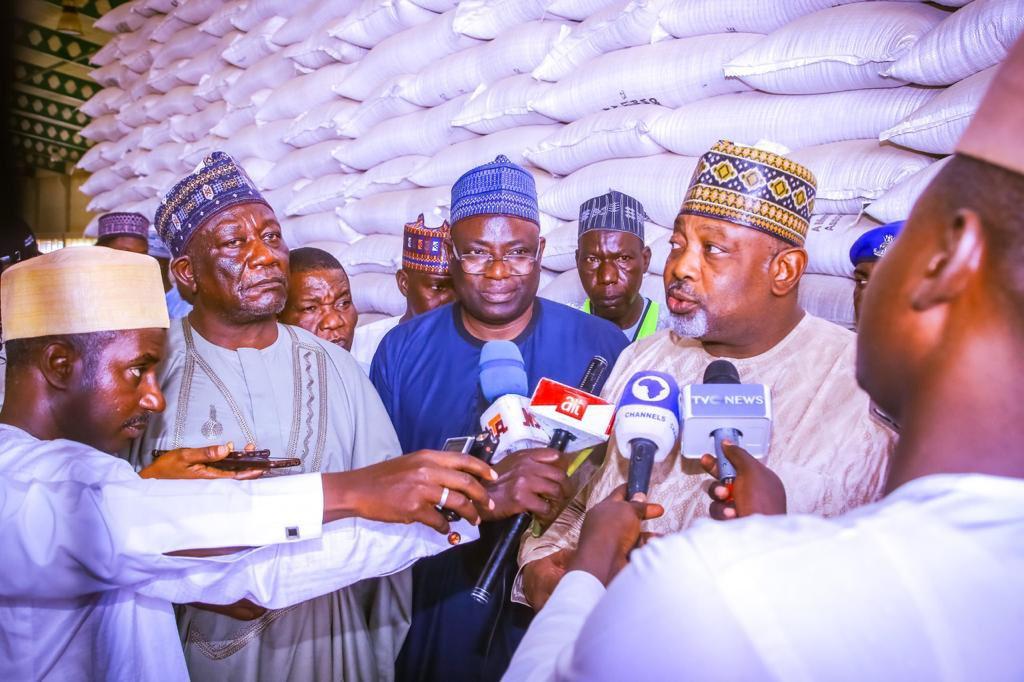
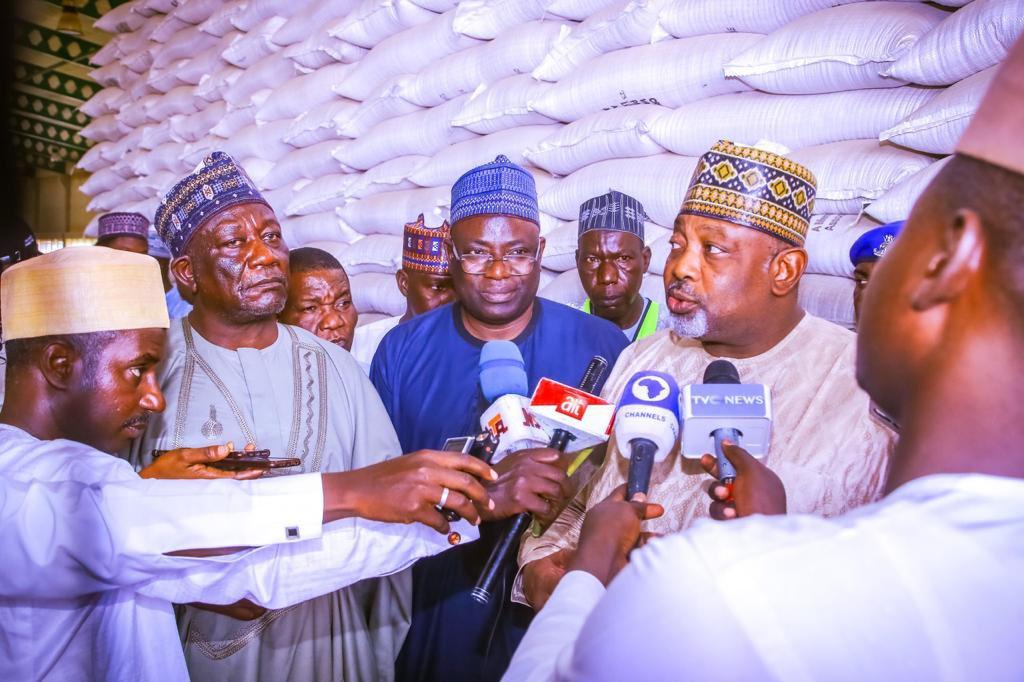
  • Sokoto Government Unveils 55% Price Reduction on Rice and Other Essentials Amidst Economic Challenges.

    The Sokoto State Government has revealed 55 percent reduction in the prices of rice and other essential goods that have been sourced for the community.

    During the inauguration of the state and local government monitoring teams for the subsidized sale of food items on Monday, Governor Ahmed Aliyu made this announcement.

    Aliyu explained that this gesture is intended to alleviate the impact of the present difficulties caused by the elimination of the fuel subsidy in the nation.

    He clarified that the food provisions were intended to support every household in all 244 wards throughout the state.

    He warned,“Avoid any political, ethnic or religious consideration while discharging your assignment. Make sure every family has free access to these items because it is meant for every resident of this state.

    “We are all aware that since the inception of the present political dispensation, several economic upsets were witnessed nationally and internationally owing to the changing pattern of global economic indices and contraction of fortunes of the global finances.

    “However, certain national reform policies initiated by the Federal Government to redirect the economic and social fortunes of the country for future growth and development could not pacify the situation in the country. Policies such as the removal of fuel subsidy, electricity tariffs and others, subjected our people to varying economic hardships and numerous tests of livelihood.

    “We are all living witness to the fact that numerous efforts in the form of Palliatives were initiated and executed by both the Federal and State Governments to cushion the effect of the hardship.

    “Considering the social indices of our state and certain peculiarities, the state government extended various palliatives of different commodities to all corners and cronies of the state free of charge and procured mass transit vehicles whose services were subsidised to ease transportation difficulties of our people within the state and beyond.

    “In this new approach, the state government procured food items and other essential commodities meant to be sold at a 55% discounted rate to enable families to access the commodities for the well-being of their members.

    “The state government is committed to sustaining the supply of the commodities to all the 244 wards in the state with guaranteed access to all families irrespective of any social differences and/or political affiliations. I would like to assure all that the initiative will be sustained until when the economic situation improves in the country.”
    Sokoto Government Unveils 55% Price Reduction on Rice and Other Essentials Amidst Economic Challenges. The Sokoto State Government has revealed 55 percent reduction in the prices of rice and other essential goods that have been sourced for the community. During the inauguration of the state and local government monitoring teams for the subsidized sale of food items on Monday, Governor Ahmed Aliyu made this announcement. Aliyu explained that this gesture is intended to alleviate the impact of the present difficulties caused by the elimination of the fuel subsidy in the nation. He clarified that the food provisions were intended to support every household in all 244 wards throughout the state. He warned,“Avoid any political, ethnic or religious consideration while discharging your assignment. Make sure every family has free access to these items because it is meant for every resident of this state. “We are all aware that since the inception of the present political dispensation, several economic upsets were witnessed nationally and internationally owing to the changing pattern of global economic indices and contraction of fortunes of the global finances. “However, certain national reform policies initiated by the Federal Government to redirect the economic and social fortunes of the country for future growth and development could not pacify the situation in the country. Policies such as the removal of fuel subsidy, electricity tariffs and others, subjected our people to varying economic hardships and numerous tests of livelihood. “We are all living witness to the fact that numerous efforts in the form of Palliatives were initiated and executed by both the Federal and State Governments to cushion the effect of the hardship. “Considering the social indices of our state and certain peculiarities, the state government extended various palliatives of different commodities to all corners and cronies of the state free of charge and procured mass transit vehicles whose services were subsidised to ease transportation difficulties of our people within the state and beyond. “In this new approach, the state government procured food items and other essential commodities meant to be sold at a 55% discounted rate to enable families to access the commodities for the well-being of their members. “The state government is committed to sustaining the supply of the commodities to all the 244 wards in the state with guaranteed access to all families irrespective of any social differences and/or political affiliations. I would like to assure all that the initiative will be sustained until when the economic situation improves in the country.”
    0 التعليقات 0 المشاركات 677 مشاهدة 0 معاينة
  • Summary of President Tinubu's Nationwide Address:

    * Fuel subsidy removal is necessary.

    *Commiserates with victims' families over the death of their loved ones.

    * Urge protesters to stop the protest.

    * Economy remains anemic.

    * Bulk stops with him.

    * Aggregate revenue has doubled to N9.1trn in H1 2024.

    * Productivity gradually increasing in the non-oil sector.

    * Revenue to debt-service reduced to 68% in the last 13months from 97%.

    * Cleared legitimate $5bn forex backlogs.

    * Moves resulted in spending more money on Nigerians.

    *States are receiving record high monies ever.

    * Increased oil production to 1.6mbpd

    * Investors are coming back.

    * $500m foreign investment signed.

    * CNG launched, to reduce transport cost by 60%.

    * 1million conversion kits to be distributed at little or no cost.

    *To date, N45.6bn student loan processed to students and schools.

    * Established N200bn consumer credit scheme.

    * Ordered the release of N50bn each for NELFUND, Consumer credit from crime proceeds from EFCC.

    * Secured $620m for I-DICE for digital skills.

    * Introduced Skill-Up program

    * N570bn released to States for livelihoods support.

    * 600,000 nano businesses have benefitted from nano grants, additional 400k businesses to benefit.

    * 10 MSMEs built so far, more hubs to be built, 240,000 jobs.

    * N1bn each made to big manufacturers at single digit interest rate.

    * To launch renewed hope housing estates, to create jobs and stimulate the economy.

    * Directed tariffs be removed on rice, other foods and medicines.

    * Distributed fertilizers.

    * To cultivate more than 10m hectares of land to raise food production.

    * Mechanized equipment on the way

    * A lot of work has gone on to stabilize the economy.

    * The Govt is working to improve National infrastructure.

    * Let nobody misinform you that the Govt does not care about you.

    * We are in a new era of renewed hope

    * The results will soon be feasible to see and feel and enjoy

    * The economy is recovering

    * Don't shut out the oxygen

    * Security agencies should continue to maintain peace and order within the human rights convention

    * Let's choose hope over fear, unity over division, progress over stagnation

    * Let no one use you to set us back
    Summary of President Tinubu's Nationwide Address: * Fuel subsidy removal is necessary. *Commiserates with victims' families over the death of their loved ones. * Urge protesters to stop the protest. * Economy remains anemic. * Bulk stops with him. * Aggregate revenue has doubled to N9.1trn in H1 2024. * Productivity gradually increasing in the non-oil sector. * Revenue to debt-service reduced to 68% in the last 13months from 97%. * Cleared legitimate $5bn forex backlogs. * Moves resulted in spending more money on Nigerians. *States are receiving record high monies ever. * Increased oil production to 1.6mbpd * Investors are coming back. * $500m foreign investment signed. * CNG launched, to reduce transport cost by 60%. * 1million conversion kits to be distributed at little or no cost. *To date, N45.6bn student loan processed to students and schools. * Established N200bn consumer credit scheme. * Ordered the release of N50bn each for NELFUND, Consumer credit from crime proceeds from EFCC. * Secured $620m for I-DICE for digital skills. * Introduced Skill-Up program * N570bn released to States for livelihoods support. * 600,000 nano businesses have benefitted from nano grants, additional 400k businesses to benefit. * 10 MSMEs built so far, more hubs to be built, 240,000 jobs. * N1bn each made to big manufacturers at single digit interest rate. * To launch renewed hope housing estates, to create jobs and stimulate the economy. * Directed tariffs be removed on rice, other foods and medicines. * Distributed fertilizers. * To cultivate more than 10m hectares of land to raise food production. * Mechanized equipment on the way * A lot of work has gone on to stabilize the economy. * The Govt is working to improve National infrastructure. * Let nobody misinform you that the Govt does not care about you. * We are in a new era of renewed hope * The results will soon be feasible to see and feel and enjoy * The economy is recovering * Don't shut out the oxygen * Security agencies should continue to maintain peace and order within the human rights convention * Let's choose hope over fear, unity over division, progress over stagnation * Let no one use you to set us back
    Love
    1
    0 التعليقات 0 المشاركات 1كيلو بايت مشاهدة 0 معاينة
  • The Agriculture Minister predicts a significant decrease in food prices within the next 6 months.

    FG announces a 150-day duty-free import window for food commodities.

    The Minister of Agriculture and Food Security, Sen Abubakar Kyari, revealed on Wednesday that there is anticipation for a substantial decrease in food prices over the next 180 days.

    He said: “Our administration has unveiled a series of strategic measures aimed at addressing the high food prices currently affecting our nation. These measures will be implemented over the next 180 days;

    “150-Day Duty-Free Import Window for Food Commodities

    “Suspension of duties, tariffs, and taxes for the importation of certain food commodities through land and sea borders. These commodities include maize, husked brown rice, wheat, and cowpeas.

    “Imported food commodities will be subjected to a Recommended Retail Price (RRP). We understand concerns about the quality of these imports, especially regarding their genetic composition. The government assures that all standards will be maintained to ensure the safety and quality of food items for consumption.

    “The Federal Government will import 250,000 metric tons of wheat and 250,000 metric tons of maize. These semi-processed commodities will be supplied to small-scale processors and millers across the country.

    “Engagement with relevant stakeholders to set a GMP and purchase surplus food commodities to restock the National Strategic Food Reserve.

    “Ramp-Up of Production for the 2024/2025 Farming Cycle

    “Continued support to smallholder farmers during the ongoing wet season farming through existing government initiatives; Strengthening and accelerating dry season farming nationwide;

    “Embarking on aggressive agricultural mechanization to reduce drudgery, lower production costs, and boost productivity.

    “Collaborating with sub-national entities to identify irrigable lands and increase land under cultivation; Working closely with the Federal Ministry of Water Resources and Sanitation to rehabilitate and maintain irrigation facilities under river basin authorities across the federation.

    “Enhancement of Nutrition Security.
    Promoting the production of fortified food commodities.

    “Supporting the scale-up of the Home Garden Initiative by the Office of the First Lady of the Federal Republic of Nigeria.

    “Over the next 14 days, in close collaboration with the Presidential Food Systems Coordinating Unit (PFSCU) and the Economic Management Team (EMT), we will convene with respective agencies to finalize the implementation frameworks. We will ensure that information is publicly available to facilitate the participation of all relevant stakeholders across the country.”

    “Developing strategic engagement for youth and women for immediate greenhouse cultivation of horticultural crops such as tomatoes and pepper to increase production volume, stabilize prices, and address food shortages; Fast-tracking ongoing engagements with the Nigerian Military to rapidly cultivate arable lands under the Defence Farms Scheme and encouraging other para-military establishments to utilize available arable lands for cultivation.

    “Renewed Hope National Livestock Transformation Implementation Committee; This committee has been inaugurated on Tuesday, July 9, 2024, to develop and implement policies prioritizing livestock development in alignment with the National Livestock Transformation Plan, and a ministry of Livestock Development has been created.”
    The Agriculture Minister predicts a significant decrease in food prices within the next 6 months. FG announces a 150-day duty-free import window for food commodities. The Minister of Agriculture and Food Security, Sen Abubakar Kyari, revealed on Wednesday that there is anticipation for a substantial decrease in food prices over the next 180 days. He said: “Our administration has unveiled a series of strategic measures aimed at addressing the high food prices currently affecting our nation. These measures will be implemented over the next 180 days; “150-Day Duty-Free Import Window for Food Commodities “Suspension of duties, tariffs, and taxes for the importation of certain food commodities through land and sea borders. These commodities include maize, husked brown rice, wheat, and cowpeas. “Imported food commodities will be subjected to a Recommended Retail Price (RRP). We understand concerns about the quality of these imports, especially regarding their genetic composition. The government assures that all standards will be maintained to ensure the safety and quality of food items for consumption. “The Federal Government will import 250,000 metric tons of wheat and 250,000 metric tons of maize. These semi-processed commodities will be supplied to small-scale processors and millers across the country. “Engagement with relevant stakeholders to set a GMP and purchase surplus food commodities to restock the National Strategic Food Reserve. “Ramp-Up of Production for the 2024/2025 Farming Cycle “Continued support to smallholder farmers during the ongoing wet season farming through existing government initiatives; Strengthening and accelerating dry season farming nationwide; “Embarking on aggressive agricultural mechanization to reduce drudgery, lower production costs, and boost productivity. “Collaborating with sub-national entities to identify irrigable lands and increase land under cultivation; Working closely with the Federal Ministry of Water Resources and Sanitation to rehabilitate and maintain irrigation facilities under river basin authorities across the federation. “Enhancement of Nutrition Security. Promoting the production of fortified food commodities. “Supporting the scale-up of the Home Garden Initiative by the Office of the First Lady of the Federal Republic of Nigeria. “Over the next 14 days, in close collaboration with the Presidential Food Systems Coordinating Unit (PFSCU) and the Economic Management Team (EMT), we will convene with respective agencies to finalize the implementation frameworks. We will ensure that information is publicly available to facilitate the participation of all relevant stakeholders across the country.” “Developing strategic engagement for youth and women for immediate greenhouse cultivation of horticultural crops such as tomatoes and pepper to increase production volume, stabilize prices, and address food shortages; Fast-tracking ongoing engagements with the Nigerian Military to rapidly cultivate arable lands under the Defence Farms Scheme and encouraging other para-military establishments to utilize available arable lands for cultivation. “Renewed Hope National Livestock Transformation Implementation Committee; This committee has been inaugurated on Tuesday, July 9, 2024, to develop and implement policies prioritizing livestock development in alignment with the National Livestock Transformation Plan, and a ministry of Livestock Development has been created.”
    Love
    1
    0 التعليقات 0 المشاركات 2كيلو بايت مشاهدة 0 معاينة
  • The Agriculture Minister predicts a significant decrease in food prices within the next 6 months.

    FG announces a 150-day duty-free import window for food commodities.

    The Minister of Agriculture and Food Security, Sen Abubakar Kyari, revealed on Wednesday that there is anticipation for a substantial decrease in food prices over the next 180 days.

    He said: “Our administration has unveiled a series of strategic measures aimed at addressing the high food prices currently affecting our nation. These measures will be implemented over the next 180 days;

    “150-Day Duty-Free Import Window for Food Commodities

    “Suspension of duties, tariffs, and taxes for the importation of certain food commodities through land and sea borders. These commodities include maize, husked brown rice, wheat, and cowpeas.

    “Imported food commodities will be subjected to a Recommended Retail Price (RRP). We understand concerns about the quality of these imports, especially regarding their genetic composition. The government assures that all standards will be maintained to ensure the safety and quality of food items for consumption.

    “The Federal Government will import 250,000 metric tons of wheat and 250,000 metric tons of maize. These semi-processed commodities will be supplied to small-scale processors and millers across the country.

    “Engagement with relevant stakeholders to set a GMP and purchase surplus food commodities to restock the National Strategic Food Reserve.

    “Ramp-Up of Production for the 2024/2025 Farming Cycle

    “Continued support to smallholder farmers during the ongoing wet season farming through existing government initiatives; Strengthening and accelerating dry season farming nationwide;

    “Embarking on aggressive agricultural mechanization to reduce drudgery, lower production costs, and boost productivity.

    “Collaborating with sub-national entities to identify irrigable lands and increase land under cultivation; Working closely with the Federal Ministry of Water Resources and Sanitation to rehabilitate and maintain irrigation facilities under river basin authorities across the federation.

    “Enhancement of Nutrition Security.
    Promoting the production of fortified food commodities.

    “Supporting the scale-up of the Home Garden Initiative by the Office of the First Lady of the Federal Republic of Nigeria.

    “Over the next 14 days, in close collaboration with the Presidential Food Systems Coordinating Unit (PFSCU) and the Economic Management Team (EMT), we will convene with respective agencies to finalize the implementation frameworks. We will ensure that information is publicly available to facilitate the participation of all relevant stakeholders across the country.”

    “Developing strategic engagement for youth and women for immediate greenhouse cultivation of horticultural crops such as tomatoes and pepper to increase production volume, stabilize prices, and address food shortages; Fast-tracking ongoing engagements with the Nigerian Military to rapidly cultivate arable lands under the Defence Farms Scheme and encouraging other para-military establishments to utilize available arable lands for cultivation.

    “Renewed Hope National Livestock Transformation Implementation Committee; This committee has been inaugurated on Tuesday, July 9, 2024, to develop and implement policies prioritizing livestock development in alignment with the National Livestock Transformation Plan, and a ministry of Livestock Development has been created.”
    The Agriculture Minister predicts a significant decrease in food prices within the next 6 months. FG announces a 150-day duty-free import window for food commodities. The Minister of Agriculture and Food Security, Sen Abubakar Kyari, revealed on Wednesday that there is anticipation for a substantial decrease in food prices over the next 180 days. He said: “Our administration has unveiled a series of strategic measures aimed at addressing the high food prices currently affecting our nation. These measures will be implemented over the next 180 days; “150-Day Duty-Free Import Window for Food Commodities “Suspension of duties, tariffs, and taxes for the importation of certain food commodities through land and sea borders. These commodities include maize, husked brown rice, wheat, and cowpeas. “Imported food commodities will be subjected to a Recommended Retail Price (RRP). We understand concerns about the quality of these imports, especially regarding their genetic composition. The government assures that all standards will be maintained to ensure the safety and quality of food items for consumption. “The Federal Government will import 250,000 metric tons of wheat and 250,000 metric tons of maize. These semi-processed commodities will be supplied to small-scale processors and millers across the country. “Engagement with relevant stakeholders to set a GMP and purchase surplus food commodities to restock the National Strategic Food Reserve. “Ramp-Up of Production for the 2024/2025 Farming Cycle “Continued support to smallholder farmers during the ongoing wet season farming through existing government initiatives; Strengthening and accelerating dry season farming nationwide; “Embarking on aggressive agricultural mechanization to reduce drudgery, lower production costs, and boost productivity. “Collaborating with sub-national entities to identify irrigable lands and increase land under cultivation; Working closely with the Federal Ministry of Water Resources and Sanitation to rehabilitate and maintain irrigation facilities under river basin authorities across the federation. “Enhancement of Nutrition Security. Promoting the production of fortified food commodities. “Supporting the scale-up of the Home Garden Initiative by the Office of the First Lady of the Federal Republic of Nigeria. “Over the next 14 days, in close collaboration with the Presidential Food Systems Coordinating Unit (PFSCU) and the Economic Management Team (EMT), we will convene with respective agencies to finalize the implementation frameworks. We will ensure that information is publicly available to facilitate the participation of all relevant stakeholders across the country.” “Developing strategic engagement for youth and women for immediate greenhouse cultivation of horticultural crops such as tomatoes and pepper to increase production volume, stabilize prices, and address food shortages; Fast-tracking ongoing engagements with the Nigerian Military to rapidly cultivate arable lands under the Defence Farms Scheme and encouraging other para-military establishments to utilize available arable lands for cultivation. “Renewed Hope National Livestock Transformation Implementation Committee; This committee has been inaugurated on Tuesday, July 9, 2024, to develop and implement policies prioritizing livestock development in alignment with the National Livestock Transformation Plan, and a ministry of Livestock Development has been created.”
    Love
    1
    0 التعليقات 0 المشاركات 2كيلو بايت مشاهدة 0 معاينة
الصفحات المعززة