



Αναζήτηση

 English
 Arabic
 French
 Spanish
 Portuguese
 Deutsch
 Turkish
 Dutch
Dutch
 Italiano
 Russian
 Romaian
 Portuguese (Brazil)
Πρόσφατες ενημερώσεις
-
Veterinary Vaccines Market Segmentation by Animal Type and Disease
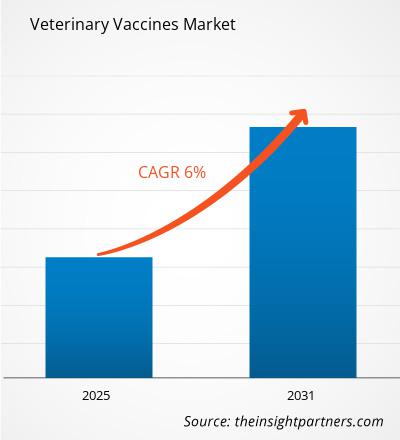
The veterinary vaccines market is highly diversified, segmented by animal type, disease indication, and vaccine type. This segmentation helps manufacturers tailor products to specific needs and optimize vaccination strategies for livestock and companion animals alike. Effective vaccination programs reduce the incidence of infectious diseases, enhance productivity, and protect public health.
Animal Type Segmentation
Livestock vaccines dominate the veterinary vaccines market due to the high economic impact of diseases in cattle, swine, poultry, and small ruminants. Commonly targeted diseases include foot-and-mouth disease (FMD), avian influenza, Newcastle disease, porcine reproductive and respiratory syndrome (PRRS), and bovine viral diarrhea (BVD). Vaccination programs for livestock not only improve animal health but also ensure food security and minimize economic losses.
Companion animal vaccines are increasingly important, driven by rising pet ownership, particularly in North America and Europe. Dogs and cats are vaccinated against rabies, parvovirus, distemper, and feline leukemia virus (FeLV). Pet owners are placing greater emphasis on preventive healthcare, prompting companies to expand their vaccine portfolios for companion animals.
Disease-Based Segmentation
Veterinary vaccines are designed to combat a wide range of infectious diseases:
Viral vaccines: Targeting diseases such as FMD, PRRS, Newcastle disease, and canine distemper. These vaccines are critical for outbreak prevention and herd immunity.
Bacterial vaccines: Address diseases like leptospirosis, anthrax, and salmonellosis, protecting both animals and humans from zoonotic transmission.
Parasitic vaccines: Focus on controlling protozoal and helminth infections in livestock, enhancing productivity and reducing mortality.
Regional Insights
North America leads in companion animal vaccination due to high pet ownership and advanced veterinary infrastructure. Europe follows closely, emphasizing both companion and livestock vaccination programs. Asia-Pacific, particularly India, China, and Southeast Asia, sees rapid growth in livestock vaccination driven by government-supported animal health initiatives. Latin America and the Middle East & Africa are gradually increasing adoption, particularly in commercial livestock sectors.
Key Players in Segmented Markets
Major players such as Zoetis Inc, Boehringer Ingelheim, Merck & Co Inc, Virbac SA, and HIPRA SA have extensive portfolios covering both livestock and companion animal vaccines. Companies like Ceva Sante Animale, Biovac LTD, and Hester Biosciences Ltd focus on regional markets with specialized offerings.
Market Outlook
Segmentation by animal type and disease allows manufacturers to target unmet needs, optimize vaccination strategies, and expand market reach. The continued growth of livestock and pet populations globally ensures sustained demand across all segments, supporting long-term market expansion.
https://www.theinsightpartners.com/reports/veterinary-vaccines-marketVeterinary Vaccines Market Segmentation by Animal Type and Disease The veterinary vaccines market is highly diversified, segmented by animal type, disease indication, and vaccine type. This segmentation helps manufacturers tailor products to specific needs and optimize vaccination strategies for livestock and companion animals alike. Effective vaccination programs reduce the incidence of infectious diseases, enhance productivity, and protect public health. Animal Type Segmentation Livestock vaccines dominate the veterinary vaccines market due to the high economic impact of diseases in cattle, swine, poultry, and small ruminants. Commonly targeted diseases include foot-and-mouth disease (FMD), avian influenza, Newcastle disease, porcine reproductive and respiratory syndrome (PRRS), and bovine viral diarrhea (BVD). Vaccination programs for livestock not only improve animal health but also ensure food security and minimize economic losses. Companion animal vaccines are increasingly important, driven by rising pet ownership, particularly in North America and Europe. Dogs and cats are vaccinated against rabies, parvovirus, distemper, and feline leukemia virus (FeLV). Pet owners are placing greater emphasis on preventive healthcare, prompting companies to expand their vaccine portfolios for companion animals. Disease-Based Segmentation Veterinary vaccines are designed to combat a wide range of infectious diseases: Viral vaccines: Targeting diseases such as FMD, PRRS, Newcastle disease, and canine distemper. These vaccines are critical for outbreak prevention and herd immunity. Bacterial vaccines: Address diseases like leptospirosis, anthrax, and salmonellosis, protecting both animals and humans from zoonotic transmission. Parasitic vaccines: Focus on controlling protozoal and helminth infections in livestock, enhancing productivity and reducing mortality. Regional Insights North America leads in companion animal vaccination due to high pet ownership and advanced veterinary infrastructure. Europe follows closely, emphasizing both companion and livestock vaccination programs. Asia-Pacific, particularly India, China, and Southeast Asia, sees rapid growth in livestock vaccination driven by government-supported animal health initiatives. Latin America and the Middle East & Africa are gradually increasing adoption, particularly in commercial livestock sectors. Key Players in Segmented Markets Major players such as Zoetis Inc, Boehringer Ingelheim, Merck & Co Inc, Virbac SA, and HIPRA SA have extensive portfolios covering both livestock and companion animal vaccines. Companies like Ceva Sante Animale, Biovac LTD, and Hester Biosciences Ltd focus on regional markets with specialized offerings. Market Outlook Segmentation by animal type and disease allows manufacturers to target unmet needs, optimize vaccination strategies, and expand market reach. The continued growth of livestock and pet populations globally ensures sustained demand across all segments, supporting long-term market expansion. https://www.theinsightpartners.com/reports/veterinary-vaccines-market0 Σχόλια 0 Μοιράστηκε 39 Views 0 Προεπισκόπηση -
Regulatory Compliance, Quality Assurance, and Risk Management in Fill Finish Manufacturing
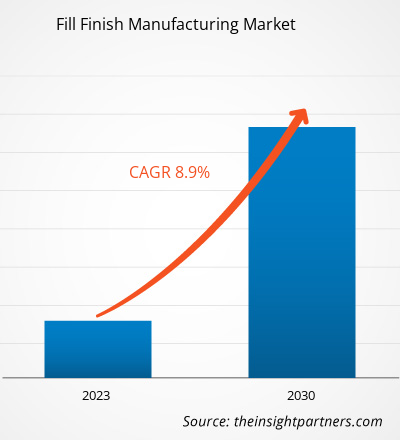
Regulatory compliance and quality assurance are foundational pillars of the fill finish manufacturing market. Given that fill finish operations represent the final step before a drug reaches patients, any lapse in sterility or quality can have severe consequences. As the market grows steadily toward 2030, regulatory expectations continue to intensify, shaping investment decisions and competitive dynamics.
https://www.theinsightpartners.com/reports/fill-finish-manufacturing-marketRegulatory Compliance, Quality Assurance, and Risk Management in Fill Finish Manufacturing Regulatory compliance and quality assurance are foundational pillars of the fill finish manufacturing market. Given that fill finish operations represent the final step before a drug reaches patients, any lapse in sterility or quality can have severe consequences. As the market grows steadily toward 2030, regulatory expectations continue to intensify, shaping investment decisions and competitive dynamics. https://www.theinsightpartners.com/reports/fill-finish-manufacturing-market0 Σχόλια 0 Μοιράστηκε 25 Views 0 Προεπισκόπηση1

και άλλες ιστορίες