


How Does An Electroplating Tank Work
Electroplating is a common industrial process used to coat metal objects with a thin layer of a different metal, enhancing their appearance, durability, and performance. Central to the electroplating process is the electroplating tank, a crucial component that facilitates the deposition of metal onto the substrate. In this blog, we will delve into the inner workings of electroplating tanks, exploring their mechanisms, applications, and significance in metal finishing.
Understanding Electroplating Tanks: The Basics
Electroplating tanks are specially designed containers used to hold the electrolyte solution and facilitate the electroplating process. The tank serves as a vessel where the metal object to be plated (the cathode) and the metal to be deposited (the anode) are immersed in the electrolyte solution. The tank is equipped with electrodes, a power source, and a circulation system to ensure uniform metal deposition on the substrate.
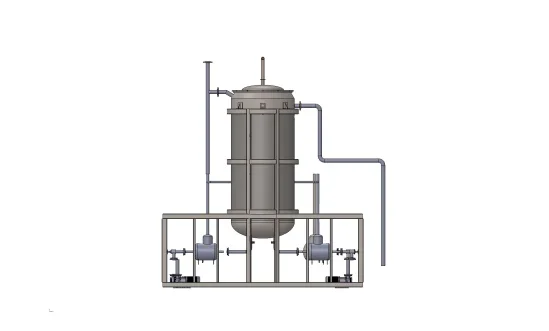
Components of an Electroplating Tank
Tank Body: The main structure of the electroplating tank, typically made of materials such as plastic, stainless steel, or polypropylene, to withstand the corrosive nature of the electrolyte solution.
Electrodes: Anode and cathode electrodes are placed in the tank to facilitate the flow of electric current through the electrolyte, enabling metal deposition on the substrate.
Power Supply: A direct current (DC) power source is connected to the electrodes to provide the necessary electrical energy for the electroplating process.
Agitation System: Some electroplating tanks are equipped with an agitation system, such as pumps or air bubblers, to ensure uniform distribution of the electrolyte and metal ions for consistent plating results.
The Electroplating Process: Step by Step
Preparation: The metal object to be plated is cleaned and prepared to remove any surface contaminants, ensuring proper adhesion of the plating material.
Immersion: The prepared substrate is immersed in the electroplating tank containing the electrolyte solution, along with the anode electrode made of the metal to be deposited.
Electric Current Application: A direct current is passed through the electrodes, causing metal ions from the anode to dissolve into the electrolyte solution and deposit onto the substrate (cathode).
Metal Deposition: The metal ions in the electrolyte are attracted to the cathode, where they form a thin, uniform layer on the substrate through the process of reduction.
Rinse and Finish: Once the desired thickness of the plated layer is achieved, the substrate is removed from the tank, rinsed to remove excess electrolyte, and finished to enhance its appearance and properties.
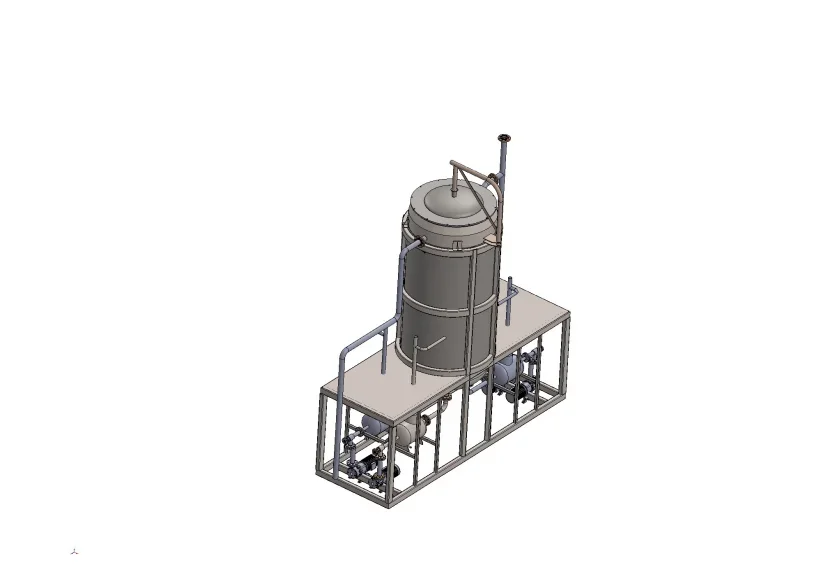
Applications of Electroplating Tanks
Decorative Finishing: Electroplating tanks are commonly used in the production of decorative metal items, such as jewelry, automotive trim, and household fixtures, to enhance their aesthetic appeal.
Corrosion Protection: Electroplating tanks are employed to apply corrosion-resistant coatings to metal components, extending their lifespan and durability in harsh environments.
Electronic Components: The electroplating process is used to deposit conductive metals onto electronic components, such as circuit boards and connectors, to improve conductivity and reliability.
Aerospace and Automotive Industries: Electroplating tanks play a crucial role in the aerospace and automotive sectors by providing wear-resistant coatings, lubricity, and thermal stability to critical components.
Conclusion
Electroplating tanks17:31:17 are fundamental to the electroplating process, enabling the deposition of metal coatings on various substrates for a range of applications. By harnessing the principles of electrolysis and electrochemistry, electroplating tanks facilitate the transformation of metal objects, enhancing their functionality, aesthetics, and performance. As an essential component of metal finishing processes, electroplating tanks continue to be indispensable in industries where precision, quality, and innovation are paramount.
Timonic (Suzhou) Technology Co., Ltd ( Timonic ), a subsidiary of China Special Metal Group Limited (CSM), we commit to the development and production of new energy lithium battery material production equipment: lithium battery copper foil foil machine, cathode roll, especially focusing on providing one-station for high-quality lithium battery copper foil plant design scheme, mechanical and electrical intelligent equipment, software and hardware systems and automation equipment customization and complete sets and technical services.
Welcome to inquiry if you need to know more about electroplating tanks details or order wholesale.

 English
 Arabic
 French
 Spanish
 Portuguese
 Deutsch
 Turkish
 Italiano
 Russian
 Romaian
 Portuguese (Brazil)
 Greek
Greek